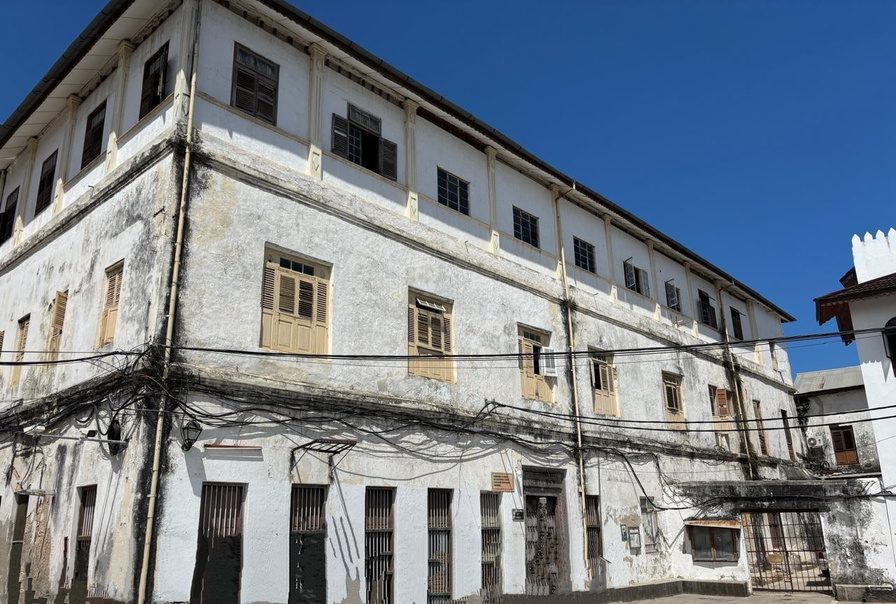
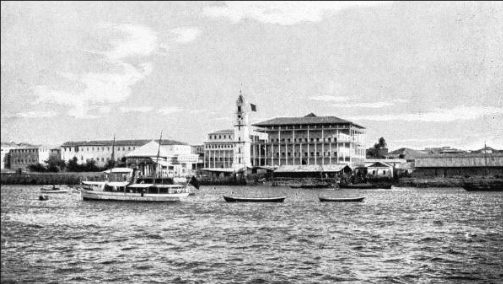
Among the important houses that passed to Mas'ud bin Sayf bin Nasser in the heart of Zanzibar city is Hansing House, located on the Zanzibar seafront (Forodhani) beside the Old Fort. The house is imposing and spacious, and is considered one of the largest houses in the city in terms of the number of rooms — reaching more than forty. It was built by Sheikh Qadi (Judge) Mohamed bin Sulaiman bin Said Al Mandhari (d. 1916) in the year 1270 AH, corresponding to 1853 CE, as is evident from the inscription visible above the door. From the time of its construction it was rented by the German company Hansing & Co., which traded in many goods, including ivory and spices.
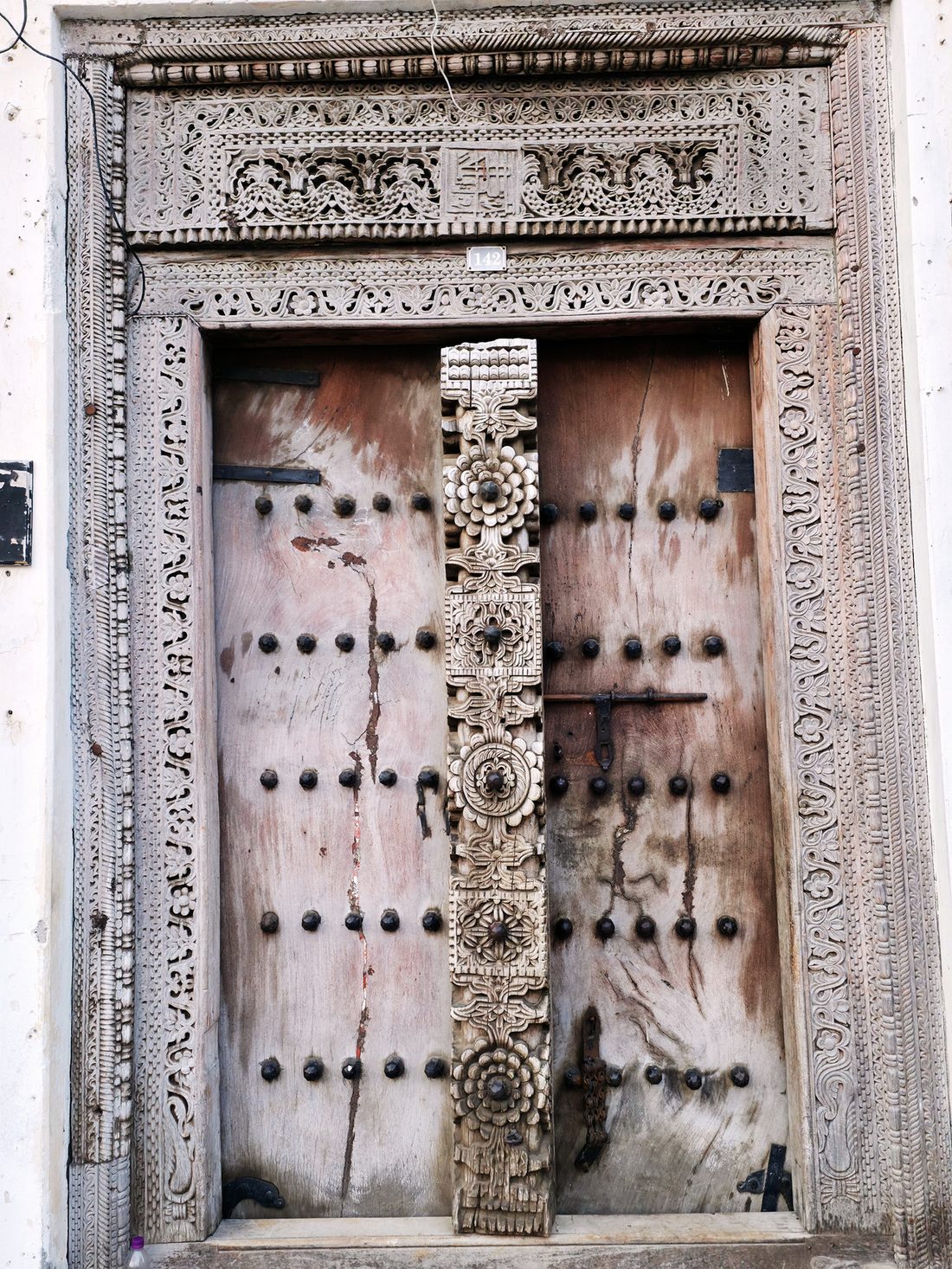
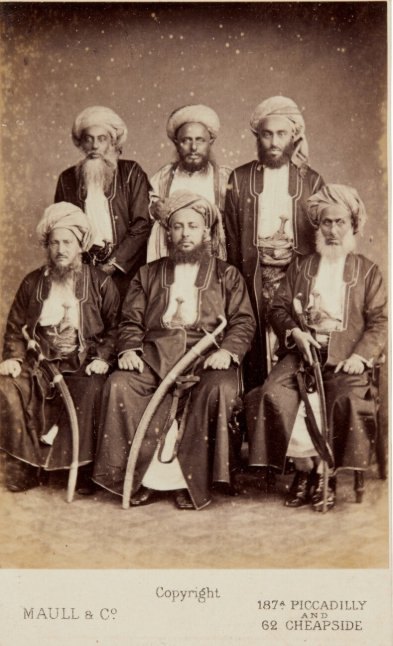
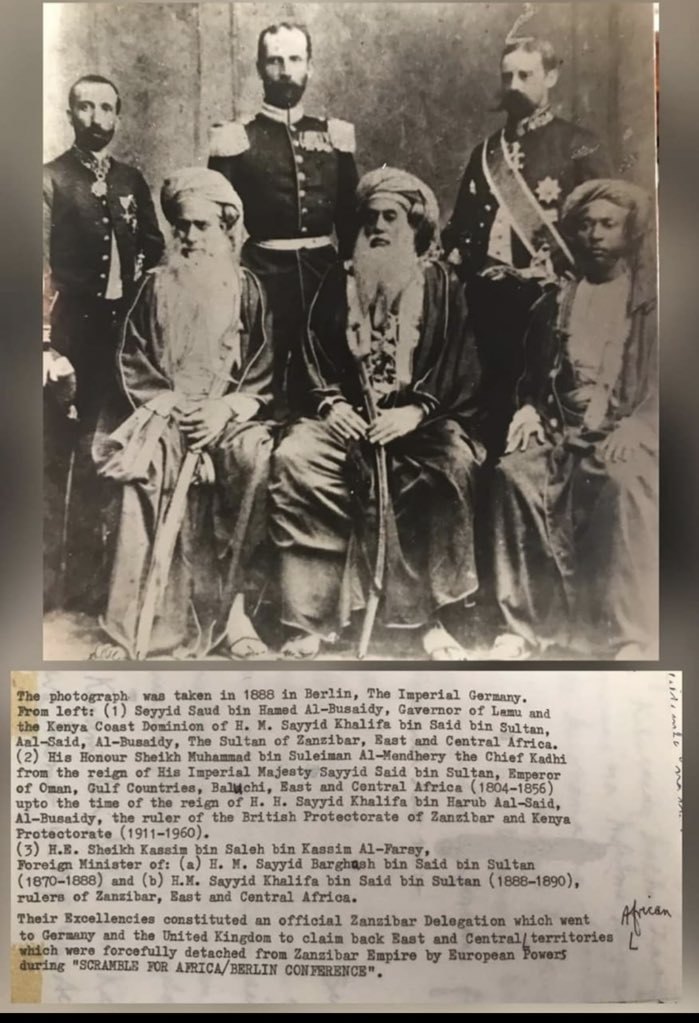
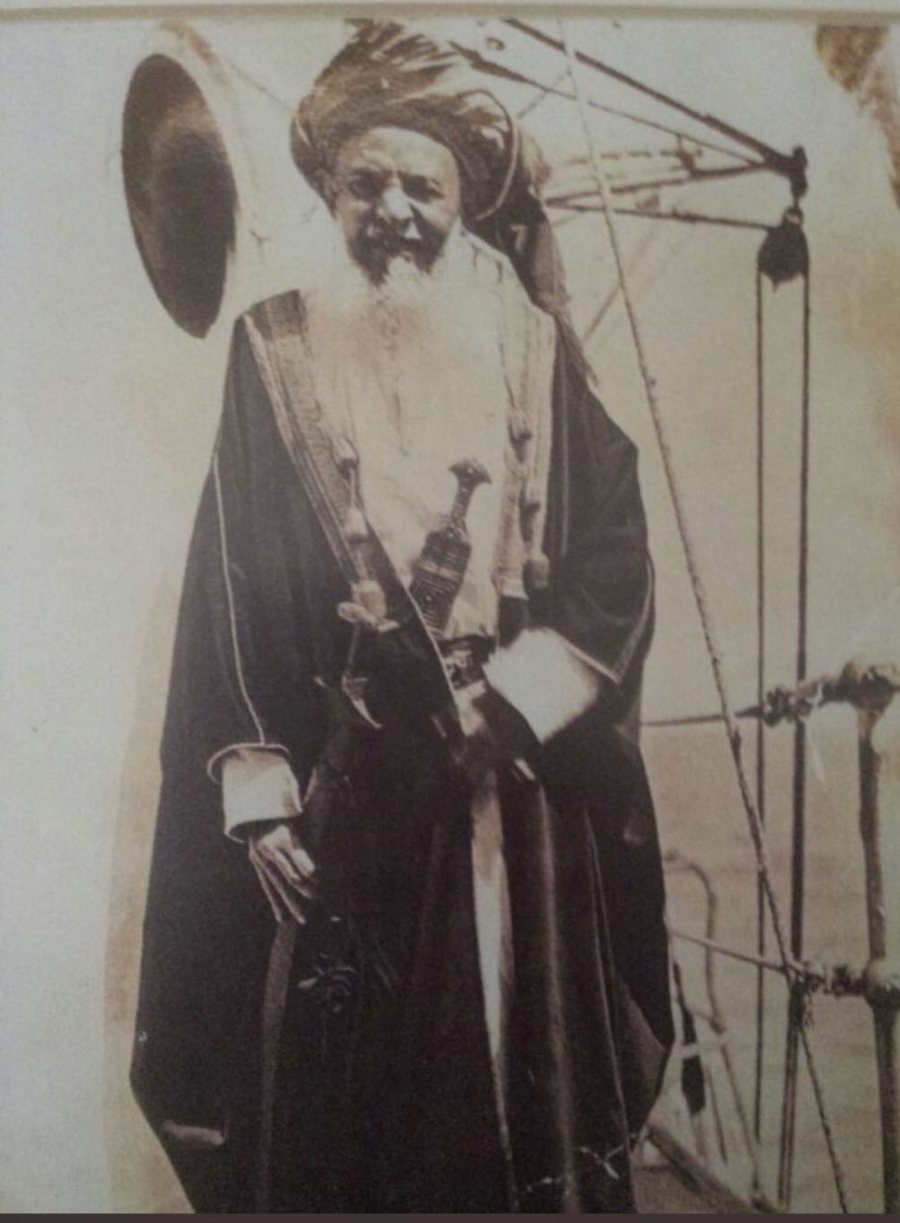
When the events of 1896 occurred — with Sayyid Khalid bin Barghash ascending the throne of Zanzibar in defiance of the British colonial administration — Sheikh Mohamed bin Sulaiman Al Mandhari was among the most ardent defenders and staunchest supporters, like many Arabs of that period. When Lord Mathews — or "the enemy of God," as the Arabs used to call him — sentenced the defenders to imprisonment until payment of the fine imposed upon each of them, Qadi Al Mandhari's fine amounted to 40,000 qirsh.
As he did not have the sum in cash, he mortgaged the house, the warehouse (bakhkhar) beside it, and a property (shamba) on the Green Island to his nephew Mas'ud bin Sayf bin Nasser, who paid the amount on his behalf — the mortgage standing as security for the debt. After two years had passed, and following the Qadi's retirement, he chose in 1898 to redeem the mortgage and transfer the house, the warehouse, and the shamba to Mas'ud bin Sayf. The three properties were valued at 45,000 qirsh; Mas'ud paid the difference to his uncle, and the properties passed to him.
"Who do we have? When you are here, if we call out or stretch out our hands, you hear us."— Sultana bint Ali bin Mohamed
The German company remained in the house until the end of the Second World War — after the death of Mas'ud bin Sayf and the house's passing to his grandson Mas'ud bin Ali bin Mohamed (Al Udi) — after which the British administration's Public Works Department rented it.

Owing to the house's grandeur, strategic location, and spaciousness, Mas'ud bin Ali bin Mohamed (Al Udi) wished to move into it on two occasions, without success. The first was in 1943, coinciding with the marriage of his two sons, Ali and Mohamed, to the two daughters of Sheikh Mohamed bin Nasser Al Lamki — the wedding ceremonies and celebrations were held in the house — after the end of the first British lease. However, this was prevented by the entreaty of his sister, Sultana bint Ali bin Mohamed, that he not leave their grandfather's house — the New House — in the Baghani quarter. So he chose not to move, and the rent was raised under the lease from 500 to 550 shillings.
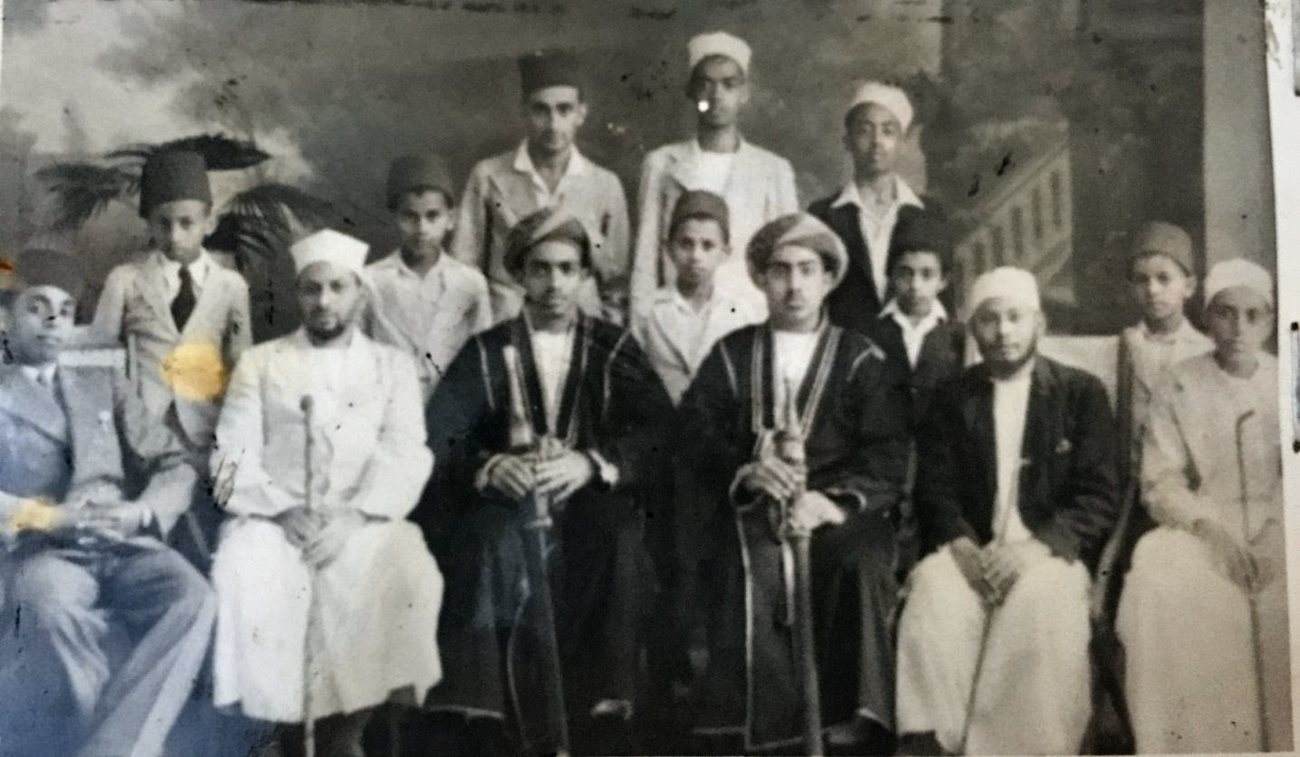
The second occasion was in late 1956, when the lease ended once again and he wished to move in, but the colonial administration refused. The Resident threatened that if he asked again, the administration would nationalize the house for public benefit. He therefore appealed to Sultan Khalifa bin Harub — at the private evening majlis (barza) held after the evening prayer until eleven at night in his palace, of which he was a permanent member — to intervene. The British administration was given six months, until March 1957, to vacate the house, with Al Udi intending to move in. This was prevented by his death in January 1957, and he was deprived of the house a second and final time.
After the coup, the house became the seat of three government ministries, and continued until 2023 as the headquarters of the Zanzibar Ministry of Housing — until, at last, it was reclaimed by the family's heirs.